


What Is Derivative Citizenship and How Does It Work?
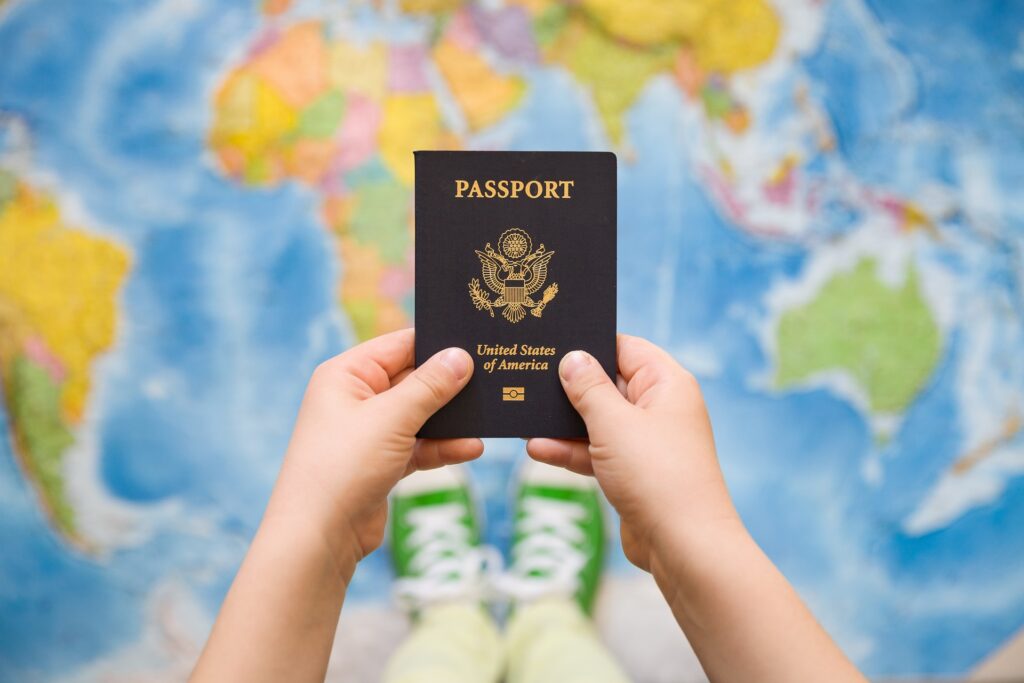
Derivative citizenship applies in certain cases when a parent who becomes a naturalized citizen has a child.
Information About K-1 Fiancé(e) Visas

If you’re engaged to someone who isn’t a U.S. citizen, learn about K-1 fiance visas.
Understanding the Naturalization Process in Florida
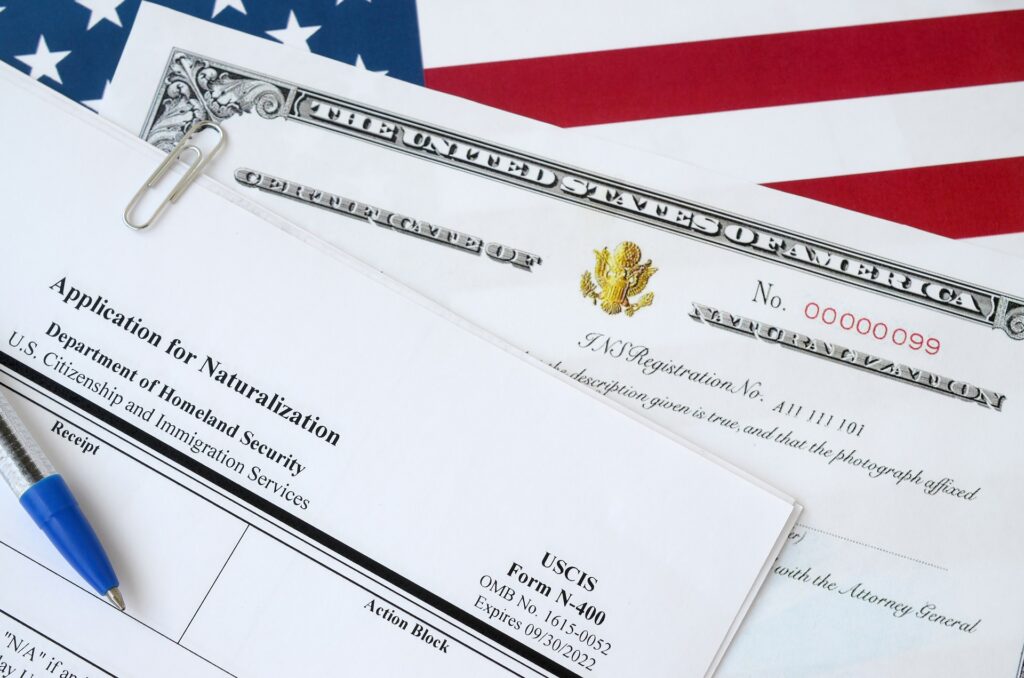
The naturalization process includes meeting the requirements, filling out the proper forms, completing tests, and being a resident of the U.S. for at least five years.
How Long Does My Passport Have to Be Valid to Apply for a U.S. Visa?
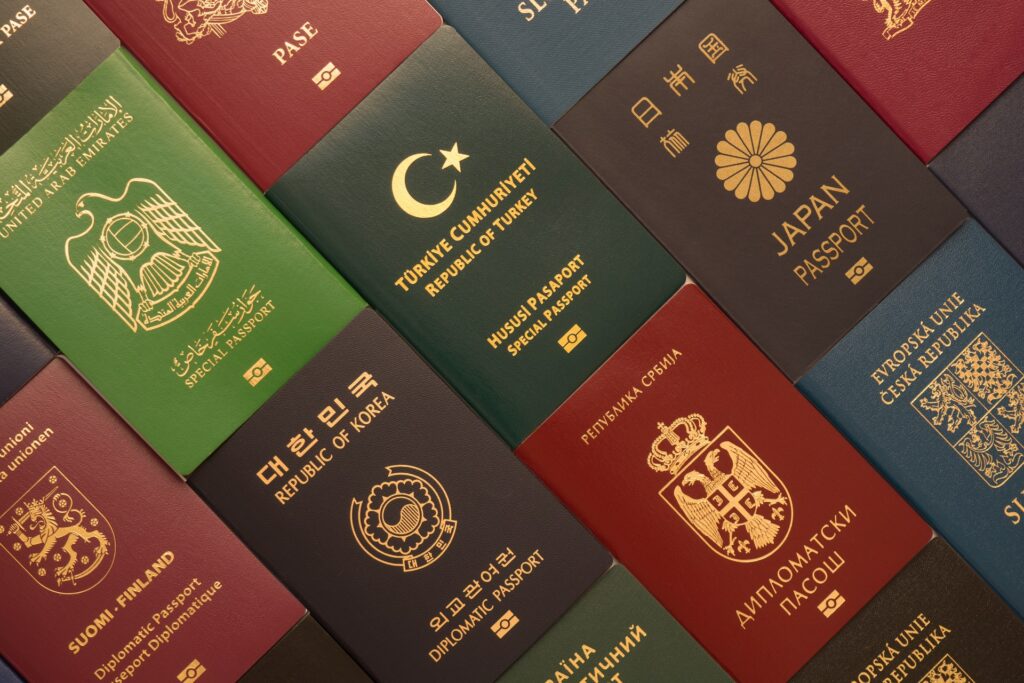
You want to apply for a visa for the United States but aren’t sure if you meet the requirements, especially when it comes to your passport. Before you try to get a visa, make sure that you find out about the process and what you can do to ensure it goes smoothly. Here’s some more […]
Do I Have to Take a Test Before Becoming a U.S. Citizen?
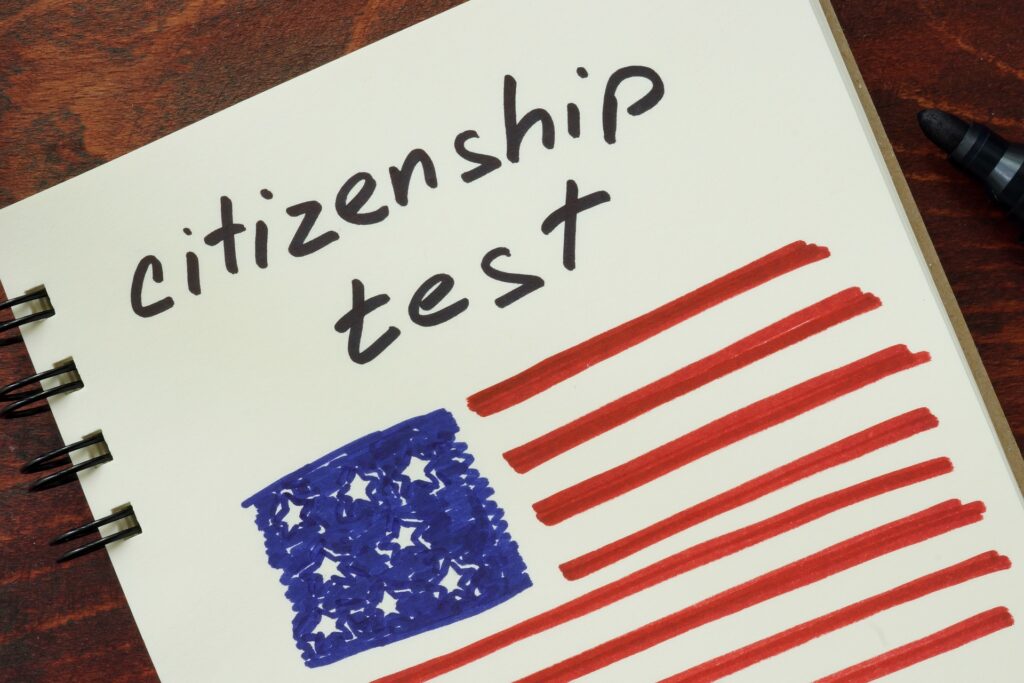
You do have to take a test before becoming a U.S. citizen.
What’s the Difference Between Naturalization and Citizenship?
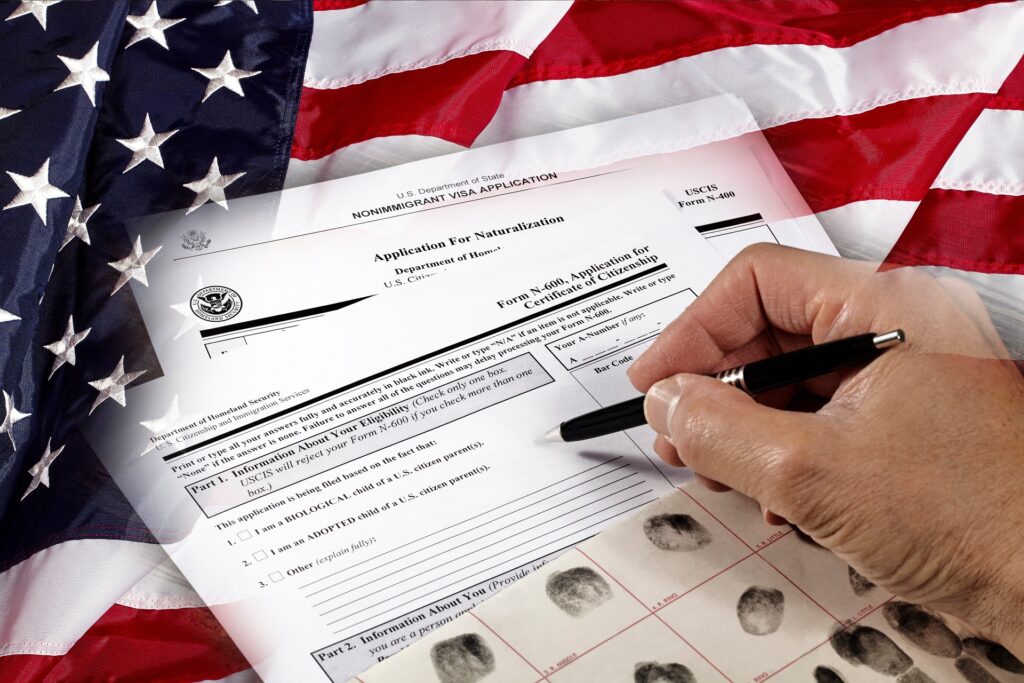
Naturalization happens if you apply to become a citizen, while citizenship happens if you have a birth parent who is a citizen of the U.S.
Extending a Student Visa in Florida

You can extend a student visa by requesting an extension through your Designated School Official (DSO) well before your program ends.
What Is the Five-Year Citizenship Rule?
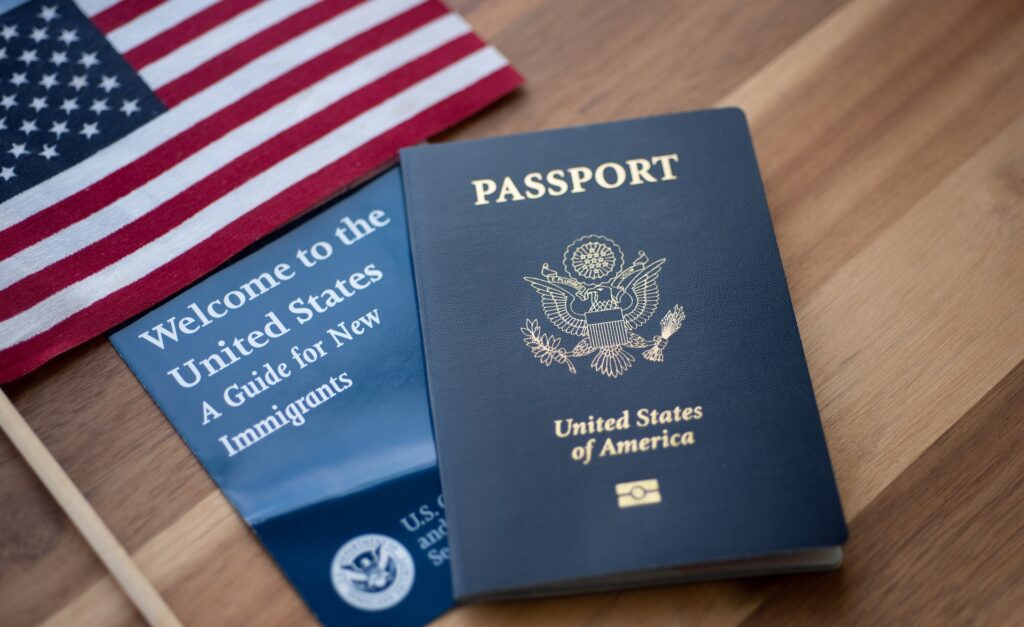
You need to reside continuously in the U.S. for five years as a lawful permanent resident before applying for citizenship.
How Dual Citizenship Works in the United States
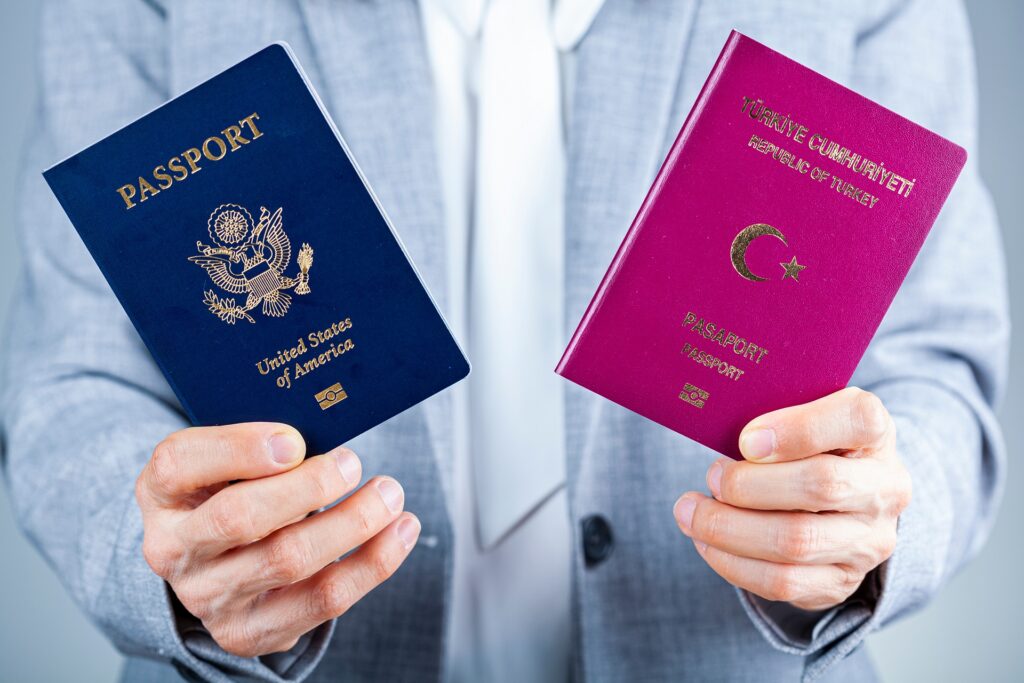
Dual citizenship is allowed in the U.S., but your country of origin may not allow it.
How Long Can I Be Out of the U.S. Before Losing Citizenship?

You can be out of the U.S. for more than six months before you could possibly lose citizenship.